Furniture Certifications Explained: BIFMA, FSC, CAL 133, BS 5852 and CE
Furniture compliance is where honest suppliers and risky ones separate. The paperwork looks similar — logos, certificates, PDFs — but the substance behind it varies enormously. A certificate can be genuine, expired, issued for a different model, or issued to a different factory. None of that is visible unless you know what to check.
This guide covers the certifications that matter most for imported furniture, what each one actually tests, which markets ask for it, and how to verify it. It is written for buyers, not lawyers — the goal is that you can read a supplier’s compliance package and know what is real.
BIFMA — commercial durability and sustainability (North America)
The Business and Institutional Furniture Manufacturers Association publishes the test standards behind almost every contract furniture specification in North America:
- BIFMA X5.1 — general-purpose office chairs: seat and back durability, tilt cycles, static load, castor and base strength. This is what “BIFMA-compliant chair” usually means.
- BIFMA X5.4 — lounge and public seating (lobby chairs, guestroom armchairs).
- BIFMA X5.5 — desk products; X6.1 — educational seating.
- BIFMA LEVEL — a multi-attribute sustainability certification (based on the e3 standard) covering the product, the facility and the organisation. Increasingly requested in corporate and hospitality RFPs, especially where LEED credits are pursued.
How to verify: ask for the test report from an accredited laboratory (SGS, Intertek, TÜV, UL and similar). The report must name the model, the lab, and the test date. For LEVEL, the certification number can be checked on the BIFMA registry. A logo on a website is marketing; a report with your model number is evidence.
FSC — responsible forest sourcing
The Forest Stewardship Council certifies chain of custody from forest to factory. For furniture, it matters when your spec, your customer or your market requires responsibly sourced wood — common in Northern Europe, increasingly in corporate procurement everywhere.
How to verify: FSC issues licence codes to certified companies (format: FSC® C######). The code, and the certificate’s validity period and scope, can be checked on the FSC public database (info.fsc.org). Two cautions: a valid FSC certificate covers specific product groups — confirm your product is inside the scope — and “FSC-certified” claims for composite or veneer products require the chain-of-custody paperwork to actually exist.
Fire performance: CAL 133, CA TB117-2013 and BS 5852
Fire standards are the most commonly faked or misunderstood part of furniture compliance, because they are tested as complete assemblies, not materials:
CA TB117-2013 (California)
California Technical Bulletin 117-2013 tests the smoulder resistance of cover fabrics and barrier materials in upholstered furniture. It applies to furniture sold into California. It is the baseline — less demanding than CAL 133.
CAL 133 (California, public spaces)
CAL 133 tests seating used in public occupancy against a severe ignition source — the whole chair: frame, foam, barrier interliner and upholstery as delivered. Passing requires engineering from the design stage; you cannot “add CAL 133” to a residential chair by changing the fabric. If the property is in California and the seating is in a lobby, restaurant or meeting space, CAL 133 is typically required — and the local authority having jurisdiction has the final word.
BS 5852 (UK and Commonwealth)
The British Standard tests upholstery against ignition sources; “Source 5” (crib 5) is the usual benchmark for contract seating specified in the UK, the Gulf and Commonwealth hospitality projects. As with CAL 133, the test is valid for a specific combination of frame, foam, interliner and cover fabric. If the interior designer swaps the fabric in month three, the test no longer applies.
How to verify all fire claims: ask for the test report identifying the complete assembly (frame + foam + barrier + fabric), the lab, the standard edition, and the date. Then check that the model and fabric in the report are the ones on your PO.
CE marking in the EU — what it does and doesn’t mean
“CE certified” is the most abused phrase in furniture sourcing, because there is no single “CE certificate” for a chair. CE marking is the manufacturer’s declaration that a product meets applicable EU legislation — for furniture, chiefly the General Product Safety Directive (GPSD). Supporting test standards commonly referenced include EN 12520 (adult seating strength and durability), EN 1022 (office work chairs) and EN 1728 (seating — test methods).
How to verify: ask for the Declaration of Conformity (DoC) naming the product, the standards applied and the responsible company — plus the underlying test reports. A DoC without test reports is a signed promise with nothing behind it. Note also the EU’s Deforestation Regulation (EUDR), which is phasing in due-diligence requirements for wood and leather placed on the EU market: for solid-wood case goods, expect to document timber origin.
Middle East: SABER and SASO
For Saudi Arabia, products in scope must be registered on the SABER platform and carry a Product Certificate of Conformity issued against the applicable SASO standard before shipment. Furniture falls under specific SASO standards, and the certificate is shipment-specific: it references the factory, the product and the consignment. Buyers should confirm the supplier handles SABER registration, or plan to do it through a local importer of record — shipments arriving without the certificate are held or returned.
Market-by-market quick reference
| Destination | Usually required / expected | Often requested |
|---|---|---|
| United States | CA TB117-2013 (California); CAL 133 for public seating in California | BIFMA X5.1/X5.4 reports; BIFMA LEVEL for green projects |
| European Union | CE marking with DoC under GPSD; REACH compliance | EN 12520 / EN 1022 reports; FSC chain of custody; EUDR timber documentation (phasing in) |
| United Kingdom | UKCA/CE per current transition rules | BS 5852 (Source 5 typical for contract seating) |
| Saudi Arabia | SABER product certificate against applicable SASO standard | SASO quality mark for some categories |
| UAE / Gulf | Import documentation per destination authority | BS 5852 crib 5 widely specified by hospitality brands |
| Australia | ISPM 15 for wood packaging; biosecurity rules apply to natural materials | State-level requirements vary — confirm with the importer of record |
Treat this table as a starting point for your conversation with the supplier and the local authority — not as legal advice. Requirements change, and the authority having jurisdiction always has the final word.
The verification checklist for any supplier
- Reports, not logos. Every compliance claim should trace to a test report or certificate with a number.
- Model match. The report must name the model on your PO — not a “similar” model.
- Lab accreditation. Reports should come from an accredited third-party lab. In-house “test certificates” are worth very little.
- Validity dates. Standards are revised; a 2019 report may reference a superseded edition.
- Scope. For FSC, LEVEL or SABER, confirm your product category is inside the certificate’s scope.
- Shipment linkage. For SABER/SASO, confirm the certificate is issued for your actual consignment.
Next step
Send us your specification and compliance requirements — we return pricing with the relevant test reports and certificates before production starts. Browse our office chairs and sofa beds, or request a quotation.
Frequently asked questions
What does “BIFMA compliant” actually mean?
Usually that the chair has been tested against BIFMA X5.1 (general-purpose office chairs) by an accredited lab. Ask for the report with the model number — the phrase alone means nothing.
Is CE marking a certification?
No. CE marking is the manufacturer’s declaration of conformity with applicable EU law, supported by test standards such as EN 12520. The evidence is the Declaration of Conformity plus the underlying test reports.
Which fire standard do I need for hotel seating?
It depends on the market: CAL 133 for public-area seating in California, BS 5852 (typically Source 5) for UK and Gulf hospitality projects, CA TB117-2013 as the California baseline. Confirm with the authority having jurisdiction and the brand standard.
How do I check if an FSC certificate is real?
Look up the licence code (FSC® C######) on the FSC database (info.fsc.org) and confirm the certificate is valid and covers your product group.
Do I need SABER for furniture shipped to Saudi Arabia?
If the product is in scope, yes: it must be registered on SABER with a Product Certificate of Conformity against the applicable SASO standard before shipment. Confirm with your supplier who handles registration.
About the author: Shanghai Yaju Furniture Co., Ltd. manufactures contract sofas, sofa beds, office chairs and desk systems across three factories in Shanghai, Jiashan and Nantong, exporting to the US, Europe, the Middle East and Southeast Asia. Contact: David (Client Marketing Manager), David@yajufurniture.com.
From our production floor
Related YAJU products
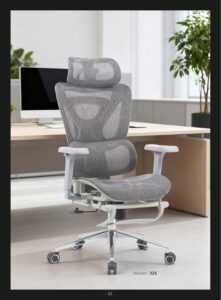 Office Chairs
Office Chair 325
View model →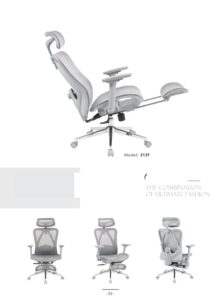 Office Chairs
Office Chair 313T
View model →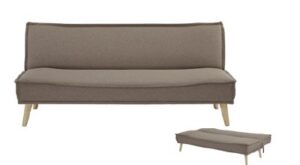 Sofa Beds
Sofa Bed LAB-174N29S-P3
View model →
Browse the full range on the YAJU products page — or request a quotation.