YAJU Furniture
Cinema Chairs Manufacturer & Supplier for B2B Projects
A successful cinema seating purchase starts with the viewing experience and room constraints. YAJU Furniture helps B2B buyers organise an enquiry around seat operation, upholstery, armrests, row arrangements and delivery requirements. The aim is a clear specification that your purchasing team can review before ordering.
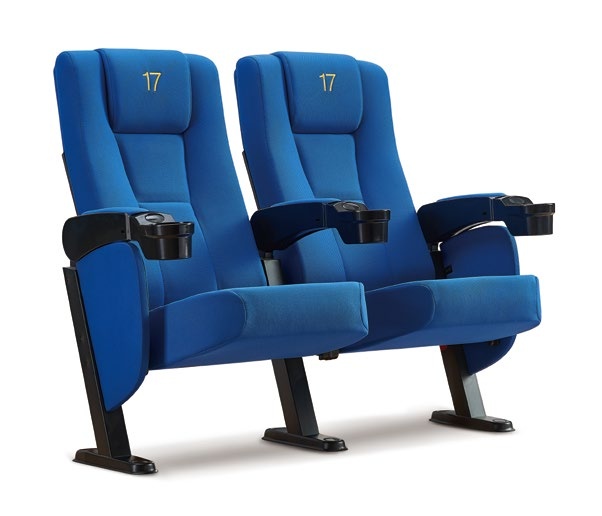
Our auditorium and cinema seating range provides a starting point. An auditorium chair is not automatically suitable for a cinema: confirm the proposed model against your screen room, usage and maintenance needs. The selected model’s manufacturing and supply scope will be confirmed in the quotation.
For procurement from China, send the model schedule and destination requirements together. YAJU Furniture confirms the manufacturing or partner supply route, customization scope and supporting documents for each selected item. Compare quotations against the same approved configuration.
Selected catalogue models
These references link to existing English model pages. Confirm the offered configuration and suitability for your project before ordering.
Build the seating specification around your venue
Cinema seating configurations
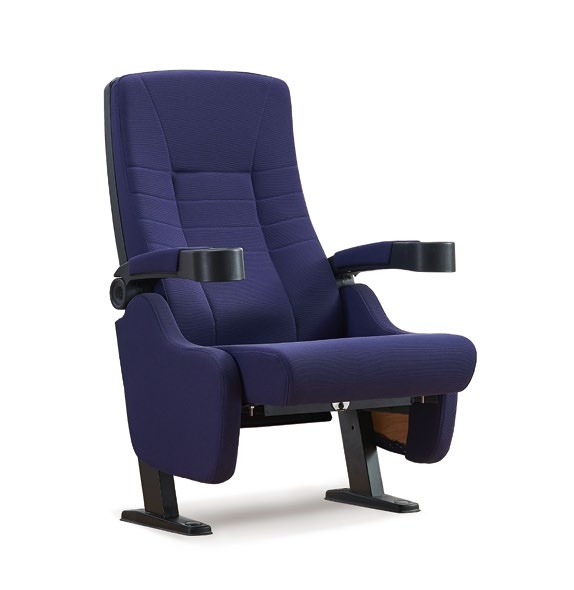
Compare proposed chair profiles, backrest shapes, upholstery coverage and available accessories. Review the viewing posture and usable space with a sample or approved drawings, rather than selecting from photographs alone.
Timber and padded armrests
Choose timber or padded armrests where available for the selected model. Confirm the finish, edge shape, cleaning method and shared or individual arm arrangement. Cup holders require separate confirmation.
Fixed and tip-up seats
Fixed and tip-up seats affect movement, cleaning and component access differently. For tip-up models, request details of the return mechanism and maintenance requirements. Confirm the actual seat action before approval.
Explore the range
Review the seating plan, access and anchoring
Share the room drawing, screen position, floor levels and proposed rows. Identify entrances, aisles, accessible positions and equipment. Your project team should review sightlines, circulation and applicable local requirements before treating a seat count as final.
Confirm whether chairs stand on level flooring or steps. Fixing details depend on the chair base and actual floor construction. Responsible project specialists should review anchoring and installation conditions; a catalogue layout does not establish fixing suitability.
Compare construction, upholstery and finish options
Ask for the selected model’s construction description: support frame, seat and back components, cushioning and covering. Steel fabrication, welding, powder coating, timber finishing and upholstery sewing may be relevant processes, but each must be confirmed for the proposed chair.
Provide your preferred covering, colour and cleaning requirements. Evaluate real swatches under the intended room lighting, particularly when matching existing seats. Ask how seams, exposed edges and replaceable panels are finished. Required material performance needs model-specific evidence.
Evaluate comfort alongside routine maintenance
A chair’s sitting experience can change once installed in a row. Review seat profile, back support, arm position and movement with representative users where practical. Include the space needed when someone sits down, stands up or passes an occupied chair.
Ask which upholstery panels, armrests and seat-return components can be replaced. Confirm a proposed spare-parts list and component identification method. Establish how your venue team will clean around bases and access mechanisms, using instructions agreed for the selected materials.
Record customisation and sample approvals
List custom colour, upholstery, armrest finish, row identification and seat numbering separately. Some requests affect model selection or production methods. Explain whether you need to match existing furniture or maintain a consistent appearance across several screen rooms.
Use drawings, finish samples and an agreed sample-chair review to resolve differences before order confirmation. Record the approved configuration and outstanding decisions. Minimum requirements depend on the model, material, finish and customisation.
Prepare a quotation that purchasing can compare
Send the location, quantities by room, seating plan, preferred models, material choices and delivery requirements. Identify who handles receiving and installation. Separate essential requirements from optional features so the quotation can show the effect of each choice.
Name any required fire, material or other performance documentation and request evidence for the exact configuration. The quotation should identify supplied items, exclusions and responsibilities. Similar-looking chairs do not necessarily share applicable documents.
Plan export packing and receiving together
Confirm whether chairs arrive assembled, partly assembled or as components. Request a packing proposal based on the model, route and expected handling. Review protection for upholstery and exposed finishes, carton identification, assembly information and package allocation by room.
Agree how quantities, finishes and visible condition will be checked and recorded before shipment. Give the receiving team a clear package list and reporting process. Packing reduces handling risks but cannot guarantee a damage-free journey; confirm the final approach in the supply agreement.
Cinema seating procurement questions
Can every auditorium chair be used in a cinema?
No. Confirm each model against cinema viewing, seat operation, maintenance and room requirements. The wider seating category supports shortlisting; it does not establish suitability for every screen room.
How is the minimum order quantity confirmed?
It depends on the model, materials, finish and customisation. Send quantities for each configuration so the quotation can state the applicable minimum and any alternatives.
Can we specify timber or padded armrests?
These are options to review for the selected chair. Confirm the material, finish, shape, upholstery and accessory compatibility before approving the final configuration.
Which details are needed for fixed or tip-up seats?
Specify the preferred seat action and provide the layout. For tip-up chairs, review the return mechanism, service access and replacement components as part of model approval.
Are certification documents available for the chairs?
Availability must be checked for the exact model and material combination. State your required standard or document; only verified applicable references should enter the final specification.
What should we send for an export quotation?
Send quantities by room, drawings, preferred chair and finishes, destination, delivery requirements and packing needs. Explain who will receive and install the goods so responsibilities can be stated clearly.
Send your cinema seating requirements
Share your room plans, seat quantities and preferred finishes with YAJU Furniture. These inputs help clarify the proposed configuration, outstanding approvals and quotation scope.